
How can regions translate ambitious climate neutrality goals into practical action?
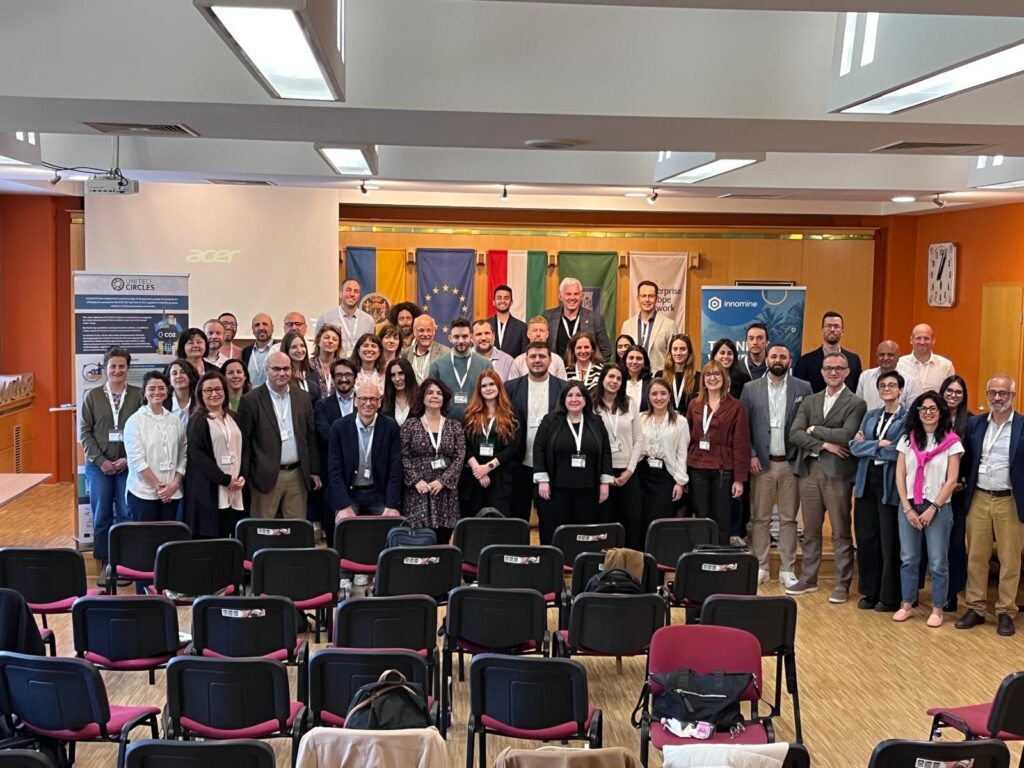
This question was at the centre of the Climate Neutral Event held in Pécs, Hungary, on May 20th 2026. Organised within the framework of the United Circles project, the event brought together local, regional and international stakeholders to explore how circular economy approaches on wastewater recovery can support climate-neutral development and create new opportunities for cooperation. The event provided a valuable platform for dialogue between municipalities, industry representatives, water utilities, researchers, innovation organisations and public authorities. By connecting European ambitions with regional realities, participants were able to discuss both the opportunities and the challenges involved in implementing wastewater circular solutions on the ground.
With 41 partners from 14 countries participating in the United Circles project, the event also highlighted the importance of international cooperation in addressing shared challenges related to circular economy development, industrial transition and climate neutrality. Bringing together perspectives from across Europe and beyond, created opportunities to exchange experiences, compare approaches and identify common priorities for future action.
A key message emerging throughout the day was that wastewater should be viewed as more than a treatment issue. Discussions emphasised its role within a wider circular value chain, where water, nutrients, energy and other resources can be recovered and reintegrated into urban and industrial systems. This perspective places wastewater at the heart of circular economy thinking and opens new possibilities for resource efficiency and sustainable regional development. The event also demonstrated that the transition towards circular and climate-neutral systems is not driven by technology alone. Participants noted that many technological solutions are already available. The greater challenge is identifying the most appropriate solution for a specific context, taking into account local needs, existing infrastructure, regulatory requirements, expected outcomes and financial capacity. Successful implementation therefore depends on aligning technical possibilities with local realities.
Another important topic was the role of policy and governance. Discussions highlighted how regulations, permitting procedures, standards and procurement approaches can either enable or hinder the deployment of circular solutions. Participants agreed that supportive policy frameworks are essential for creating stable conditions, encouraging investment and strengthening cooperation among stakeholders.
Collaboration
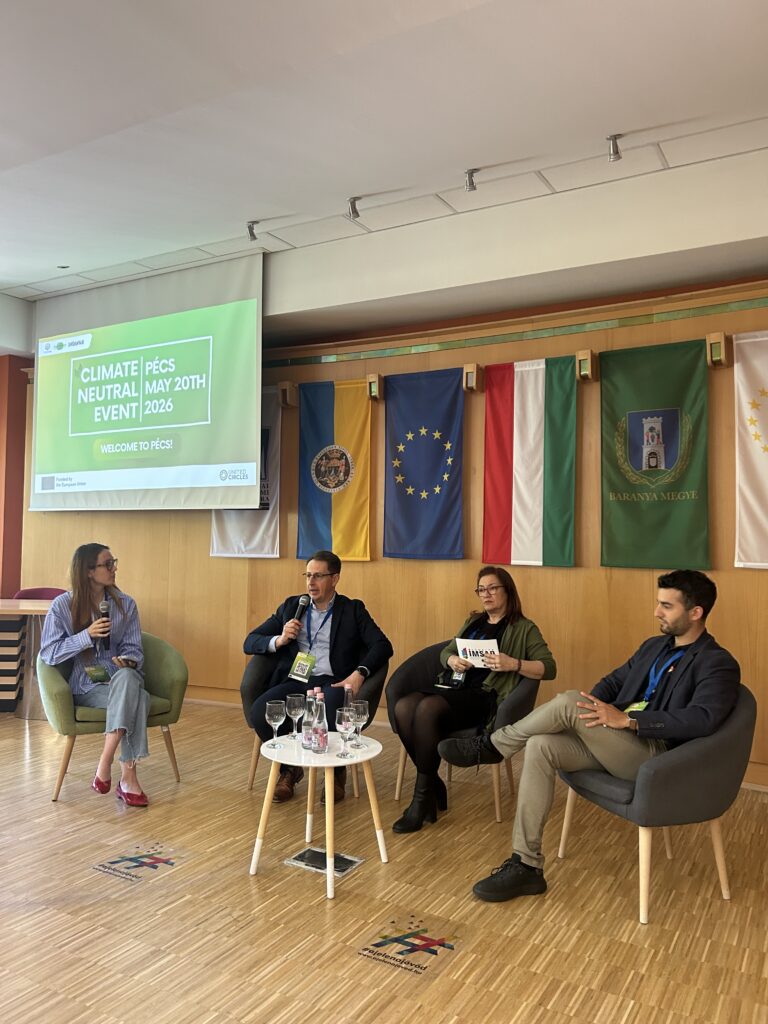
Collaboration emerged as a recurring theme across the programme. Circular wastewater systems require the involvement of actors that do not always work closely together, including municipalities, water utilities, industries, technology providers, researchers and public authorities. The exchanges throughout the event reinforced the value of integrated governance and demonstrated how cooperation can help turn innovative concepts into practical and scalable solutions.
In the discussions on future project development and support mechanisms, participants highlighted that funding alone is not enough to bring promising initiatives to life. Partnership building, investment preparation, practical coordination and the adaptation of solutions to regional conditions were all identified as crucial factors for success. Experiences shared showed that effective collaboration is built on clear objectives, realistic expectations and a shared commitment among partners.
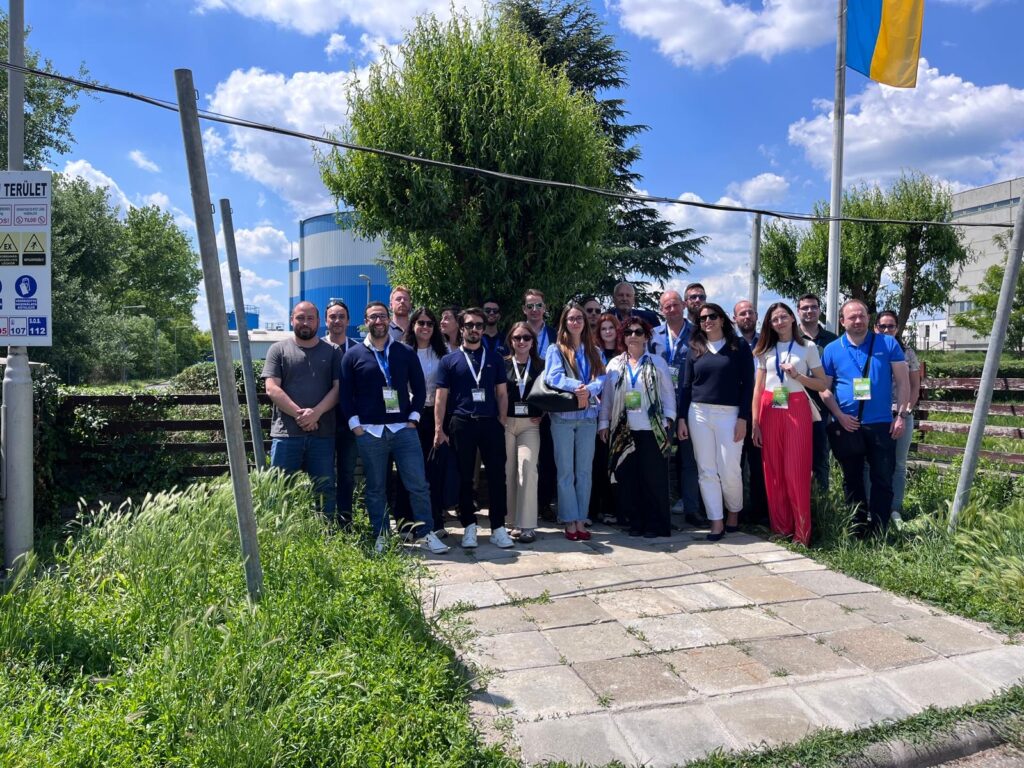
One of the highlights of the event was a visit to the Pécs Central Agglomeration Wastewater Treatment Plant and Biogas Plant, operated by TETTYE FORRÁSHÁZ Zrt. The visit provided a practical demonstration of circular economy principles in action. Participants followed the wastewater treatment process and observed how sewage sludge and other organic fractions are transformed into biogas, electricity and heat. The facility illustrated how wastewater and organic side streams can become valuable resource flows within circular value chains.
The Climate Neutral Event confirmed that the South Transdanubian region has a strong foundation for advancing circular wastewater solutions. Local political interest, stakeholder commitment and international project experience provide a solid basis for future development. At the same time, the event reinforced the role of the Hungarian Hub for Circularity (H4C) within the United Circles initiative and highlighted the importance of cooperation, policy alignment and locally adapted solutions in supporting the transition towards climate-neutral and circular regions.
Written by innomine